Drive-Thru Systems in Saudi Arabia: Jeddah 2026 Guide
Jeddah’s quick-service restaurant scene has exploded along the Corniche and inland malls alike, but speed at the counter means nothing if the food behind it was never kept cold enough. Operators who get this right treat chilled storage and customer-facing technology as one connected system, not two separate budgets. This piece looks at how Drive-thru Systems in Saudi Arabia are evolving in 2026, and why that evolution starts in the walk-in cooler.
Why Jeddah’s QSR Boom Needs More Than Good Recipes
New QSR openings in Jeddah have outpaced almost every other Saudi city over the past two years. Humidity off the Red Sea, long summer heat stretches, and dense weekend traffic all put pressure on both food safety and service speed at the same time.
A brand can have the best menu in the city and still lose repeat customers if the drive-thru lane crawls or a batch of ingredients arrives warm. Both problems trace back to planning decisions made months before opening day.
The Cold Chain Problem Nobody Sees at the Counter
Customers never see the walk-in cooler, but they taste the result of how well it was managed. Temperature excursions during delivery or storage shorten shelf life, increase waste, and in the worst cases create food safety risks that damage a brand’s reputation overnight.
Many Jeddah operators now bring in reliable local experts to audit their cold chain from delivery truck to walk-in to prep counter before they even finalize their front-of-house layout. Getting this sequence backwards is one of the most common and costly planning mistakes in the region.
A well-run cold chain also reduces how often staff open cooler doors during peak hours, since better organization means less searching. Less door-opening keeps internal temperatures stable precisely when the kitchen is under the most pressure.
Is Your Cold Chain Ready for Jeddah’s Rush Hours?
Rush hour is where cold chain weaknesses show up fastest. Fast order throughput demands fast ingredient retrieval, and a disorganized cooler slows both the kitchen and the lane behind it.
Signs the Cold Chain Is Falling Behind
- Staff frequently prop cooler doors open during peak service
- Ingredient rotation (FIFO) is tracked on paper instead of digitally
- Delivery temperature logs are inconsistent or missing
- Waste from spoiled stock rises noticeably during summer months
Any one of these on its own is manageable. Two or more together usually means it is time for a structural review, not just a quick fix.
It is also worth watching how new hires are trained on cold chain basics. A rushed onboarding that skips proper FIFO rotation and door discipline tends to re-introduce the same problems a prior audit already solved, usually within a few months of staff turnover.
Drive-Thru Technology That Actually Moves the Line
On the customer-facing side, 2026 has brought noticeably faster drive-thru hardware to the Saudi market. Digital order boards now sync directly with kitchen display systems, cutting the gap between an order being placed and a cook seeing it.
Headset systems with active noise cancellation have also improved order accuracy at busier Jeddah locations, where traffic and air conditioning units used to garble spoken orders. Fewer mis-orders means less re-cooked food and less strain on that same cold storage supply.
Lane timing data collected by these systems lets regional managers compare branches directly, spotting which locations need either more staff or a kitchen layout fix.
Several multi-branch groups in the Jeddah area have started reviewing lane-time reports weekly alongside cold storage logs, treating both as part of the same operational scorecard rather than separate IT and facilities concerns. That shift in mindset, more than any single piece of hardware, is what tends to separate consistently fast branches from the ones that struggle every Ramadan rush and summer weekend.
Pairing Drive-Thru Speed With Indoor Queuing
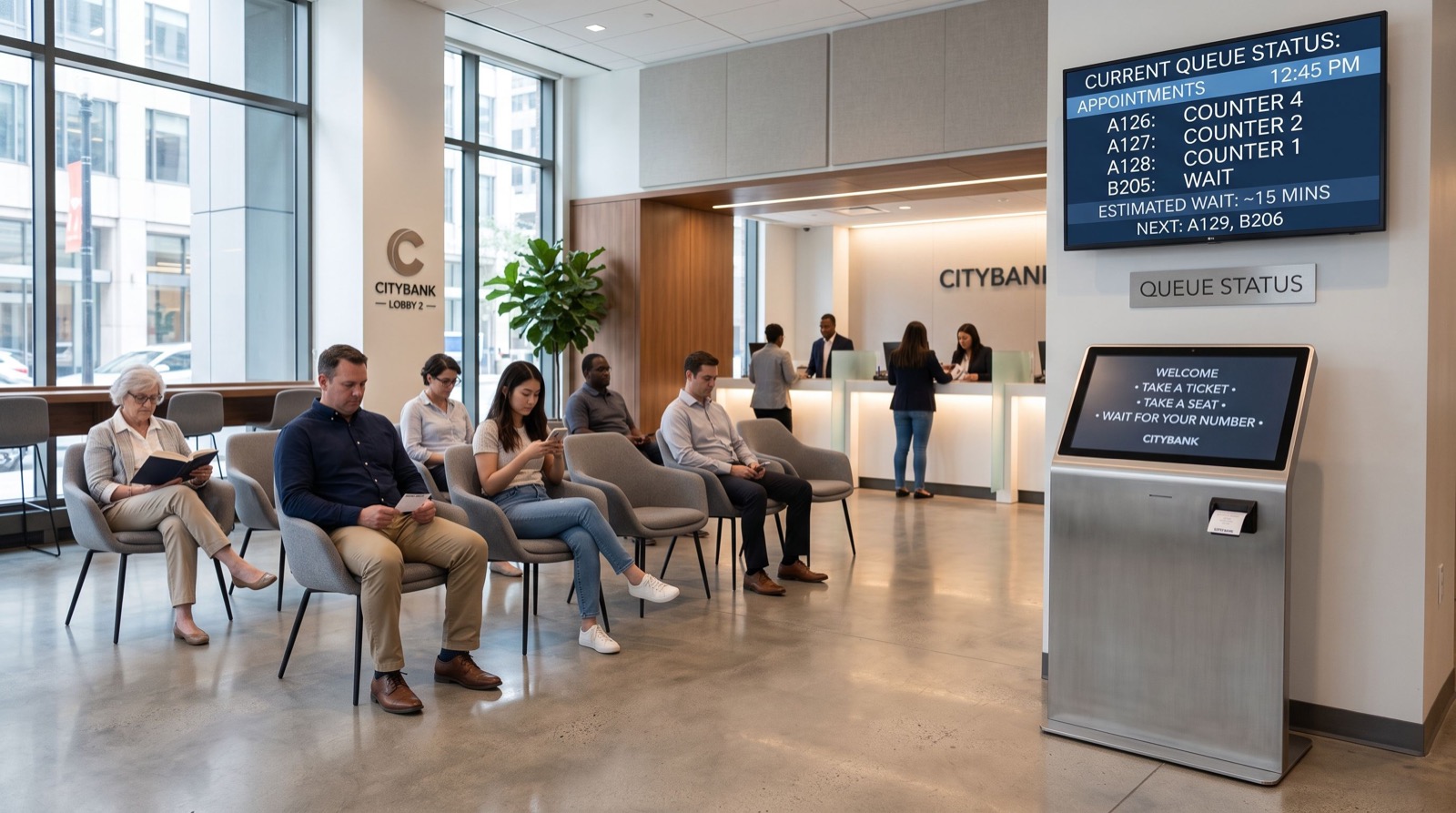
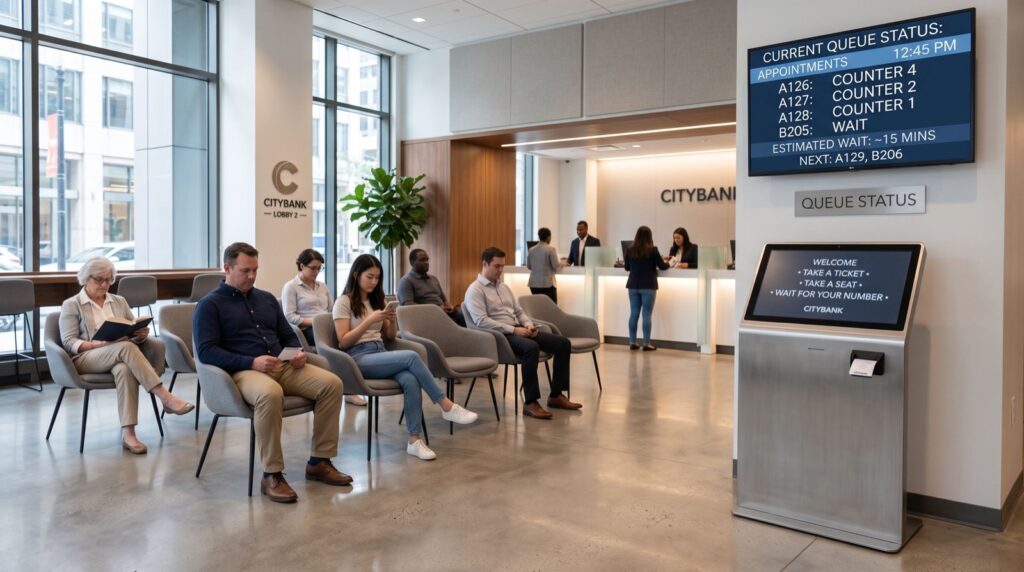
Drive-thru is only one entry point. Dine-in and walk-up counters need their own solution, which is where a queue management system in saudi arabia earns its place in the budget. Ticket-based queuing keeps indoor lines organized while the drive-thru lane runs independently outside.
Running both systems together, rather than treating indoor and drive-thru traffic as separate problems, gives management one unified view of total demand at any given hour. That view is what makes staffing and prep decisions accurate instead of guesswork.
| Operational Area | 2026 Benchmark | Common Gap |
|---|---|---|
| Cold chain delivery temp logging | Digital, real-time alerts | Still paper-based in many branches |
| Drive-thru order-to-prep time | Under 30 seconds | Delayed by order board lag |
| Indoor queue wait visibility | Live wait estimate displayed | No estimate given to walk-in customers |
| Peak-hour cooler door openings | Minimized via pre-staged bins | Frequent ad-hoc searching |
Building the 2026 Rollout Checklist
- Audit the cold chain first, from supplier delivery through to prep counter.
- Fix any temperature logging gaps before investing in front-of-house tech.
- Deploy drive-thru order boards and headsets, then measure lane times for 30 days.
- Add indoor queue ticketing once drive-thru data shows where overflow typically occurs.
Operators who follow this order tend to avoid the common trap of installing flashy customer-facing tech on top of an unstable supply chain.
Budget-wise, it also helps to phase spending across a full quarter rather than trying to launch everything in one go. A phased rollout gives staff time to adjust to one new system before the next one arrives, which noticeably reduces training friction and early-week mistakes.
Frequently Asked Questions
How often should cold storage temperatures be logged in Jeddah’s climate?
Continuous digital monitoring is strongly recommended given the region’s heat, with automated alerts for any excursion. Manual spot-checks a few times a day are no longer considered sufficient by most regional food safety guidance.
Do drive-thru order boards need special hardware for Saudi Arabia’s climate?
Yes. Outdoor units should carry weatherproof and high-temperature ratings, since standard indoor-rated displays degrade faster under direct Red Sea coast sun and humidity.
Can queue management and drive-thru systems share the same reporting dashboard?
Many current platforms support combined dashboards, letting one manager see indoor wait times and drive-thru lane speed side by side. This is increasingly treated as a standard feature rather than an add-on.
What is the biggest mistake new QSR operators make in Jeddah?
Investing heavily in customer-facing technology while leaving cold chain logistics as an afterthought. Food quality problems caused by storage issues undo any gains made at the counter or drive-thru lane.
Conclusion
Speed at the drive-thru and order accuracy indoors both depend on a cold chain that never breaks stride, especially in a climate as demanding as Jeddah’s. Reference points from the World Health Organization’s food safety guidance and the Saudi Standards, Metrology and Quality Organization are a useful starting benchmark when auditing storage practices. Get the cold chain right first in 2026, then layer drive-thru and queue technology on top, and the whole operation runs noticeably smoother from delivery truck to drive-thru window.